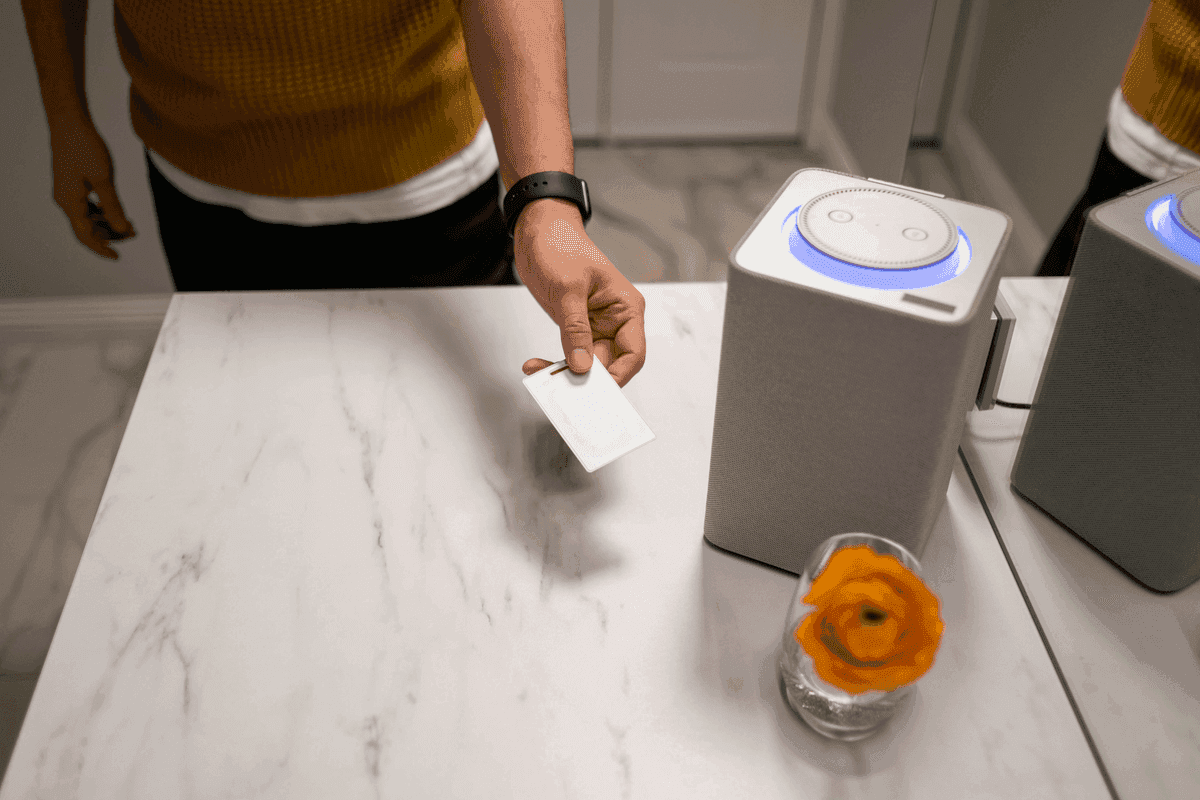
Hyper-personalization in E-commerce: The New Standard

Hyper-personalisation in E-commerce: The New Standard for Customer Experience Excellence
When Netflix invested heavily in recommendation algorithms, they achieved a remarkable 80% of viewing hours coming from algorithmic suggestions – not active searching. Similarly, Amazon attributes 35% of total revenue to their personalisation engine, generating an estimated £70 billion annually from "customers who bought this also bought..." This article reveals comprehensive hyper-personalisation strategies transforming e-commerce in 2025-2026, including AI-driven product recommendations, dynamic pricing optimisation, behavioural email triggers, contextual website experiences, and privacy-first implementation approaches that comply with GDPR and CCPA while delivering exceptional customer experiences.
The Personalisation Imperative
Generic experiences are no longer acceptable. According to McKinsey's Next in Consumer Research, 71% of consumers expect companies to deliver personalised interactions, and 76% feel frustrated when they don't. Meanwhile, Boston Consulting Group found personalisation drives 40% revenue increase when executed well – but only 15% of companies have mature capabilities.
Personalisation Impact Statistics:
- 91% of consumers more likely to shop with brands providing relevant offers (Accenture)
- £1.4 trillion: Additional UK retail revenue at stake from personalisation failures (BCG)
- 5-8x ROI average return on personalisation investments (McKinsey)
- 15-20% conversion rate lift from well-executed personalisation (Forrester)
- 10-30% increase in customer lifetime value through sustained personalisation (Deloitte)
Level 1: Foundational Personalisation
Before deploying advanced AI, master basics. Foundational personalisation uses data you already have – purchase history, browsing behaviour, demographic information.
Essential Tactics:
- Name Recognition
- Use first name in emails (not "Dear Customer")
- Personalise subject lines ("John, your cart is waiting" vs "Abandoned cart")
- Avoid overuse – feels manipulative if every message uses name
- Example: Starbucks emails use "Hi [Name]" consistently
- Result: 26% higher open rates with personalised subject lines (Experian)
- Recently Viewed Products
- Show persistent banner across site sessions
- Email reminders for viewed-but-not-purchased items
- Include scarcity triggers ("Only 2 left in stock")
- Example: ASOS shows "Recently Viewed" on homepage and product pages
- Result: 18% of revenue attributed to recently viewed features (SaleCycle)
- Purchase History Recommendations
- Suggest complementary products ("You bought X, you might need Y")
- Timing-based replenishment reminders (repurchase cycles)
- Cross-sell related categories based on past purchases
- Example: Amazon's "Buy it again" for consumables
- Result: Repeat purchase rate increases 35% with smart replenishment (Bain)
Level 2: Behavioural Personalisation
Move beyond historical data to real-time behaviour. What someone does right now reveals more than what they did last month.
Real-Time Triggers:
Browse Abandonment Campaigns
- Trigger email when user views 3+ products but doesn't add to cart
- Send within 2 hours (while interest is fresh)
- Feature viewed products with social proof ("Trending now")
- Offer incentive if high intent signals (time spent, return visits)
- Example: Booking.com excels at browse abandonment follow-up
- Result: 44% of emails opened, 12% click-through to purchase
Cart Abandonment Sequences
- Email 1 (1 hour after): Simple reminder with cart contents
- Email 2 (24 hours): Add urgency ("Items selling fast")
- Email 3 (72 hours): Offer discount or free shipping
- Include customer reviews for products in cart
- Example: Chewy sends highly effective abandonment series
- Result: Recover 15-20% of abandoned carts on average (Klaviyo)
Dynamic Website Content
- Homepage hero banners change based on referral source
- Show different categories to first-time vs returning visitors
- Adjust messaging based on traffic source (Google Ads vs organic social)
- Geolocation-based content (weather, local events, nearby stores)
- Example: Nike adapts homepage based on member activity level
- Result: 29% higher engagement with dynamic vs static content (Evergage)
Predictive Product Recommendations
- "Customers like you also bought..." (collaborative filtering)
- "Frequently bought together..." (market basket analysis)
- "Because you viewed..." (content-based filtering)
- Place recommendations strategically: homepage, product pages, cart, checkout confirmation
- Example: Spotify's Discover Weekly applied to e-commerce
- Result: 31% of e-commerce revenue driven by recommendations (Barilliance)
Case Study: How Stitch Fix Masters Behavioural Data
Online styling service Stitch Fix built entire business on behavioural personalisation:
- Track every interaction: items kept, returned, rated, reviewed
- Algorithm learns from 4M+ active customers' preferences and feedback
- Human stylists review algorithm picks, add personal notes explaining choices
- Each shipment includes style cards with outfit inspiration and care instructions
- Feedback loop continuously improves future recommendations
- Result: 80% retention rate, £1.6B annual revenue, profitable since 2020
Level 3: AI-Powered Hyper-personalisation
Artificial intelligence enables personalisation at impossible scale for humans. Machine learning models process millions of data points simultaneously, identifying patterns invisible to human analysts.
AI Applications:
- Predictive Analytics
- Forecast which customers will churn (and intervene proactively)
- Predict lifetime value before first purchase completes
- Identify high-intent browsers likely to convert with small nudge
- Anticipate seasonal demand shifts by customer segment
- Example: Salesforce Einstein predicts purchase probability scores
- Result: 25% reduction in churn, 20% increase in marketing ROI (Salesforce)
- Natural Language Processing
- Analyse customer reviews to understand sentiment and preferences
- Chatbots provide personalised support based on purchase history
- Email content generation tailored to individual interests
- Voice search optimisation for smart speaker shopping
- Example: North Face uses IBM Watson for conversational product recommendations
- Result: 60% of users completed purchase after NLP-guided conversation
- Computer Vision
- Visual search: upload photo, find similar products
- Style matching: analyse aesthetic preferences from browsed items
- Virtual try-on: AR powered by facial recognition and body mapping
- Quality inspection: AI detects defects in returned items automatically
- Example: Pinterest Lens processes 600M+ visual searches monthly
- Result: Visual search users convert 3x higher than text search (Pinterest)
- Dynamic Pricing Optimisation
- Real-time price adjustments based on demand, inventory, competitor pricing
- Personalised discounts for price-sensitive segments (without training customers to wait for sales)
- Bundling recommendations optimised for margin and customer value
- A/B testing price points automatically to find optimal levels
- Example: Uber surge pricing model applied to e-commerce
- Result: 5-15% margin improvement with AI-driven pricing (McKinsey)
Case Study: Netflix's Recommendation Engine Excellence
Netflix's £1B+ annual investment in recommendation technology created unbeatable competitive advantage:
- Analyse 100M+ data points daily: pauses, rewinds, completion rates, ratings
- Cluster viewers into 2,000+ "taste communities" with shared preferences
- Personalise artwork shown for same title based on predicted appeal (different thumbnails for romance vs comedy fans)
- Optimise release timing for different markets based on viewing patterns
- Result: 80% of viewing hours from recommendations, subscriber churn below 3% monthly
Privacy-First Personalisation
GDPR, CCPA, and emerging privacy regulations create compliance requirements. Cookie deprecation by Google and Apple limits tracking. Smart brands are adapting with zero-party and first-party data strategies.
Compliance Strategies:
- Zero-Party Data Collection: Information customers intentionally share (quiz responses, preference centres, surveys). Unlike third-party cookies, this is consensual and accurate.
- Transparent Value Exchange: Clearly explain what data you collect and why. Offer tangible benefits (discounts, exclusive access, better recommendations) in exchange for data.
- Granular Consent Management: Allow customers to choose which data types they're comfortable sharing. Make opt-out easy (builds trust even if they don't use it).
- Data Minimisation: Only collect what you actually use. Regular audits to delete unnecessary data reduces breach risk and compliance burden.
- On-Site Personalisation Without Cookies: Use session-based behavioural data (what they're doing right now) rather than historical tracking across sites.
Case Study: Apple's App Tracking Transparency Impact
Apple's iOS 14.5 update requiring explicit opt-in for tracking devastated some businesses – but others adapted successfully:
- Only 16% of users opted in to tracking on average (Flurry Analytics)
- Facebook estimated £8B revenue loss from reduced ad targeting accuracy
- Winners shifted to first-party data: email lists, loyalty programmes, registered accounts
- Contextual advertising resurged (ads based on page content, not user history)
- Lesson: Build direct relationships with customers, don't rely on platforms you don't control
Implementation Roadmap
- Phase 1: Foundation (Months 1-2)
- Audit existing data sources: CRM, email platform, website analytics, POS systems
- Implement basic segmentation: new vs returning, high-value vs low-value, category preferences
- Launch foundational tactics: name personalisation, recently viewed, purchase history recommendations
- Set up measurement framework: define KPIs for each personalisation initiative
- Ensure GDPR/CCPA compliance: audit consent mechanisms, update privacy policy
- Phase 2: Behavioural Triggers (Months 3-5)
- Deploy browse abandonment email campaigns
- Implement cart abandonment sequence (3-email series)
- Add dynamic website content: homepage variations based on visitor type
- Launch predictive recommendations: "Customers also bought", "Because you viewed"
- A/B test personalisation elements rigorously (subject lines, product placement, messaging)
- Phase 3: AI Integration (Months 6-9)
- Partner with personalisation platform (Dynamic Yield, Nosto, Monetate) or build custom ML models
- Implement predictive analytics: churn risk scoring, lifetime value prediction
- Deploy chatbot for personalised customer service
- Test dynamic pricing optimisation in controlled experiments
- Integrate visual search capabilities if applicable to product category
- Phase 4: Advanced Optimisation (Months 10-12)
- Build unified customer view: single profile aggregating all touchpoints
- Implement cross-channel orchestration: consistent personalisation across email, website, app, social
- Launch hyper-personalised content: individually tailored blog posts, videos, product guides
- Develop proprietary algorithms if scale justifies investment
- Create personalisation playbook documenting learnings and best practices
Measuring Success
Track these metrics to evaluate personalisation effectiveness:
- Conversion Metrics: Overall conversion rate lift, email click-through rates, recommendation attribution (% of revenue from personalised suggestions)
- Engagement Metrics: Time on site, pages per session, email open rates, return visitor frequency
- Revenue Metrics: Average order value from personalised experiences, customer lifetime value trends, repeat purchase rates
- Retention Metrics: Churn rate changes, Net Promoter Score improvements, customer satisfaction scores
- Privacy Metrics: Opt-in rates for data collection, unsubscribe rates, privacy complaint volume
Conclusion
Hyper-personalisation isn't optional anymore – it's table stakes. Netflix's 80% recommendation-driven viewing, Amazon's 35% revenue from personalisation, Stitch Fix's 80% retention rate – these aren't anomalies. They're proof that personalisation done right creates sustainable competitive advantages.
Start with foundations, progress systematically through behavioural triggers and AI integration, always prioritising privacy and transparency. Test rigorously, measure everything, scale what works. The brands winning in 2025-2026 won't necessarily have better products – they'll know their customers better and serve them more effectively.
Remember: personalisation is a journey, not a destination. Customer expectations evolve, technology advances, privacy regulations expand. Stay curious, keep testing, never stop learning. Master personalisation, and you master modern commerce.
Related Posts
Related Services
Website Design & Development
Professional website design and development services, creating responsive and user-friendly websites that drive business growth.
Product Analysis & Research
Identify profitable products and market opportunities through data-driven analysis.
E-commerce Consulting
Expert consulting services to help businesses succeed in the competitive e-commerce landscape.